In the competitive landscape of trade businesses, integrated trade software emerges as a vital tool for enhancing operational efficiency and driving revenue growth. In this article, we delve into the multifaceted benefits of integrated trade software, exploring how it streamlines operations, supports financial management, and improves client relationships. Readers will gain insights into the essential features that modern trade software should offer, as well as the transformative impact of automation and AI on business operations.
As tradespeople face unique challenges in managing their operations, integrated software solutions provide a comprehensive approach to overcoming these hurdles and achieving sustainable growth.

What Are the Key Benefits of Integrated Trade Software for Trade Businesses?
Integrated trade software offers numerous advantages that can significantly enhance the performance of trade businesses. By consolidating various operational processes into a single platform, businesses can streamline their workflows, reduce manual tasks, and improve overall efficiency.
This software not only simplifies daily operations but also provides valuable insights that can lead to better decision-making and increased profitability.
How Integrated Software Streamlines Operations and Improves Efficiency
Integrated software streamlines operations by automating repetitive tasks and centralizing information. This reduction in manual tasks allows tradespeople to focus on core business activities, ultimately leading to improved workflow and time savings.
For instance, scheduling, invoicing, and project management can all be managed from one platform, reducing the likelihood of errors and enhancing productivity.
How Automation Enhances Trade Business Productivity
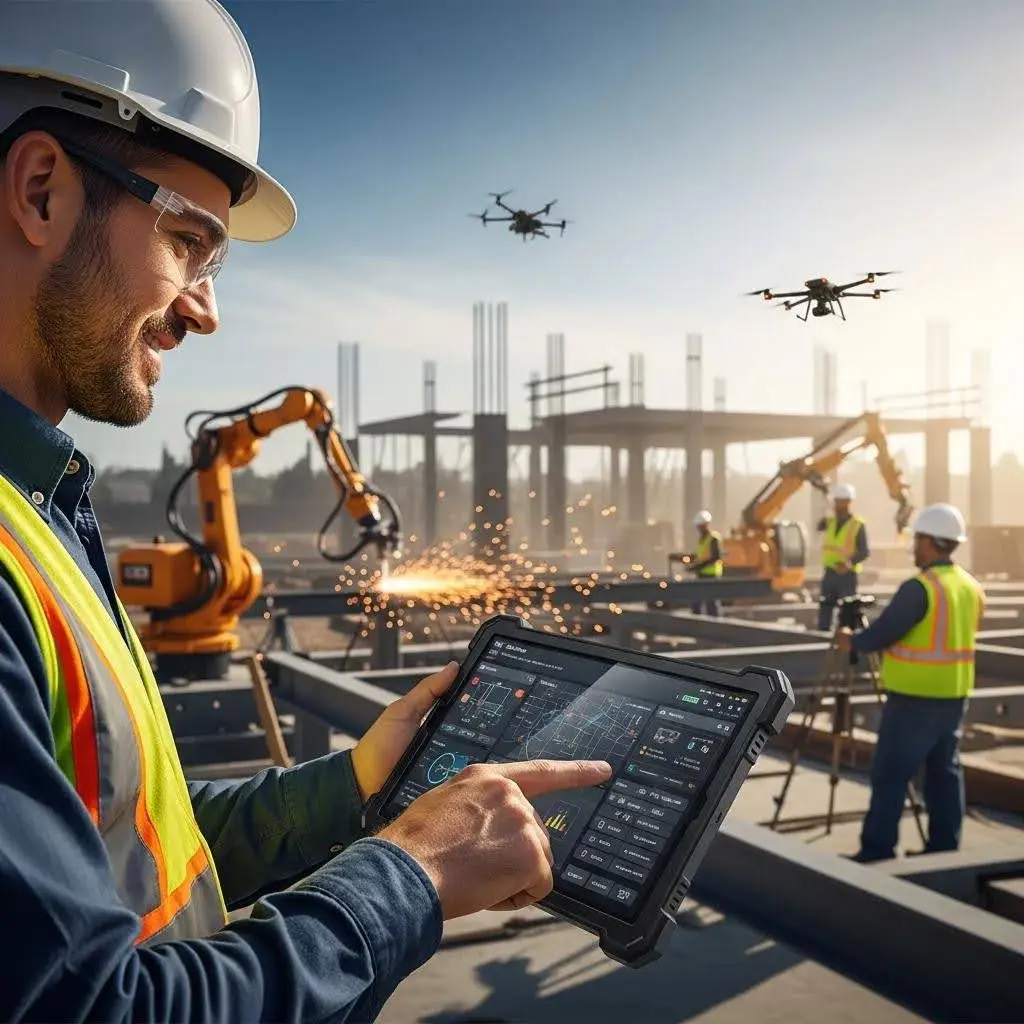
Automation plays a crucial role in boosting productivity within trade businesses. By automating routine tasks such as invoicing and follow-ups, tradespeople can allocate more time to high-value activities, such as client engagement and service delivery.
Many trade businesses see productivity gains when they use automation tools for routine tasks. That can help them serve more clients effectively and efficiently over time.
How Does Integrated Trade Software Support Financial Management and Revenue Growth?
Financial management is a critical aspect of any trade business, and integrated trade software provides essential tools to support this function. By offering features such as accurate invoicing and cost tracking, businesses can maintain better control over their finances and enhance revenue growth.
Features for Accurate Invoicing and Cost Tracking
Integrated trade software typically includes an invoicing module that automates the billing process, ensuring timely and accurate invoicing.
Real-time cost tracking features allow businesses to monitor expenses closely, helping to identify areas where savings can be made. This level of financial oversight is crucial for maintaining profitability and making informed business decisions.
How Accounting Integrations Boost Profitability
Integration with accounting systems enhances profitability by enabling seamless data transfer between platforms. This reduces the risk of errors associated with manual data entry and provides businesses with enhanced financial insights.
By having a clear view of their financial health, tradespeople can make strategic decisions that drive revenue growth.
Why Is Client Management Crucial and How Does Integrated Software Improve It?

Effective client management is essential for the success of trade businesses. Integrated trade software enhances client management by providing tools that facilitate better communication and relationship building.
How CRM Tools Help Tradespeople Expand Their Client Base
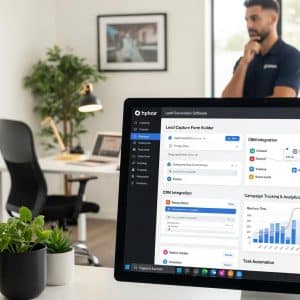
Customer Relationship Management (CRM) tools integrated within trade software help tradespeople track client interactions and manage leads effectively. By automating follow-ups and providing insights into client preferences, businesses can expand their client base and improve customer satisfaction.
Role of Automated Lead Follow-Up in Customer Retentionm
Automated lead follow-up is a powerful feature that significantly impacts customer retention. By ensuring timely and consistent communication with clients, tradespeople can increase engagement and foster loyalty.
Many businesses find that automated follow-up supports stronger retention rates, ultimately contributing to sustained revenue growth.
Which Key Features Should Trades Look for in Modern Integrated Software?
When selecting integrated trade software, it is essential to consider specific features that can enhance operational efficiency and client satisfaction. Key features include job scheduling capabilities, mobile app functionality, and integration with other tools.
Essential Job Scheduling and Dispatch Capabilities
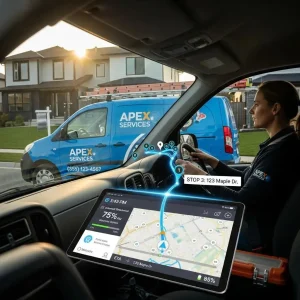
Effective job scheduling and dispatch capabilities are crucial for managing resources efficiently. Integrated software should offer real-time scheduling tools that allow tradespeople to allocate resources effectively, ensuring that jobs are completed on time and within budget.
How Mobile Apps Enhance On-Site Productivity for Tradespeople
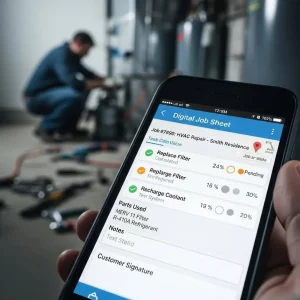
Mobile apps are a game-changer for tradespeople, providing access to essential information on-the-go. With mobile functionality, tradespeople can receive real-time updates, communicate with clients, and manage tasks directly from the job site, significantly enhancing on-site productivity.
How Does AI-Powered Automation Transform Trade Business Operations?
AI-powered automation is revolutionizing the way trade businesses operate. By leveraging advanced technologies, businesses can optimize their processes and improve service delivery.
Benefits of Predictive Scheduling and Smart Quoting
Predictive scheduling uses AI to analyze historical data and forecast future job requirements, allowing tradespeople to allocate resources more effectively. Smart quoting tools streamline the estimation process, ensuring that quotes are accurate and competitive, which can lead to increased client acquisition.
How AI Improves Maintenance and Field Service Management
AI can enhance maintenance and field service management by enabling proactive maintenance strategies. By analyzing data from previous jobs, AI can predict potential issues before they arise, reducing downtime and improving service quality.
Trade-Linked: Your Integrated Solution for Unlocking Business Potential
At Trade-Linked, we understand the unique demands of trade businesses. Our platform is designed to bring many of the features discussed in this article into one connected system. It helps tradespeople manage jobs, leads, quoting, scheduling, reporting, and invoicing more efficiently.
How Trade-Linked Delivers on Key Benefits:
Seamless Operations: Our intuitive job scheduling tools support resource allocation and real-time project oversight. This can help reduce downtime and keep work moving on busy days.
Robust Financial Control: Trade-Linked, accurate invoicing, detailed expense tracking, and seamless integration with accounting software like Xero and Sage help keep your financial data accurate and in sync. This supports clearer reporting and better cash-flow decisions.
Superior Client Engagement: Our integrated CRM capabilities and sales-funnel tools help you track enquiries, quotes, and follow-ups in one place. That makes it easier to respond consistently and build long-term relationships with clients.
Empowering Mobility: The Trade-Linked mobile app puts critical business functions in the palm of your hand, enabling on-site updates, communication, and task management for enhanced field productivity.
Future-Proofed with Smart Tools: Leverage smart scheduling and Trade-Linked’s form-and-quote builder to optimize your workflow. Use reporting dashboards to spot trends and make informed decisions day to day.
Frequently Asked Questions
What Types Of Businesses Can Benefit From Integrated Trade Software?
Integrated trade software is beneficial for a wide range of businesses within the trade sector, including construction, plumbing, electrical, HVAC, and landscaping services. These businesses often face unique operational challenges, such as scheduling, invoicing, and client management.
By utilizing integrated software, they can streamline their processes, enhance communication, and improve overall efficiency, leading to better service delivery and increased profitability.
How Does Integrated Trade Software Enhance Customer Service?
Integrated trade software enhances customer service by providing tools that facilitate better communication and responsiveness. Features such as automated follow-ups, real-time updates, and centralized client information allow tradespeople to address client inquiries promptly and effectively.
This level of engagement fosters stronger relationships and increases customer satisfaction, which is crucial for repeat business and referrals in the competitive trade industry.
Can Integrated Trade Software Be Customized To Fit Specific Business Needs?
Yes, many integrated trade software solutions offer customization options to cater to the specific needs of different businesses.
This can include tailored features, workflows, and reporting tools that align with a company’s unique operational requirements. Customization ensures that businesses can maximize the software’s potential, making it a more effective tool for enhancing efficiency and achieving growth.
What Are The Security Features Of Integrated Trade Software?
Security is a critical consideration for integrated trade software, as it often handles sensitive client and financial data. Most reputable software solutions include features such as data encryption, user authentication, and regular security updates to protect against unauthorized access and data breaches.
Additionally, cloud-based solutions often provide secure backups, ensuring that data is safe and recoverable in case of emergencies.