Obtaining a plumbing qualification in the UK is a structured process that involves various levels of training and certification. This guide will walk you through the essential steps and requirements needed to become a qualified plumber. Whether you are starting your career or looking to enhance your skills, understanding the qualifications available is crucial. The plumbing industry offers a range of opportunities, but navigating the qualification landscape can be challenging. This article will cover the different plumbing qualification levels, how to start an apprenticeship, the certification bodies involved, and how software solutions can assist in managing your qualifications.
What Are the Different Plumbing Qualification Levels in the UK?
In the UK, plumbing qualifications are categorized into several levels, each representing a different stage of expertise and skill. The primary qualifications include NVQ Level 1, NVQ Level 2, and NVQ Level 3, which are essential for anyone looking to work in the plumbing industry. These qualifications ensure that plumbers are equipped with the necessary skills to perform their jobs safely and effectively.
| Qualification Level | Description | Typical Duration |
| NVQ Level 1 | Basic plumbing skills and knowledge | Several months (typically less than 1 year) |
| NVQ Level 2 | Intermediate skills, including installation and maintenance | Typically 1-2 years |
| NVQ Level 3 | Advanced skills, including complex installations and management | Typically 1-2 years |
Understanding these levels is vital for aspiring plumbers, as they outline the path to becoming a fully qualified professional. Each level builds on the previous one, ensuring a comprehensive understanding of plumbing practices.
Beyond the NVQ framework, other vocational pathways like T-Levels also contribute significantly to the UK’s construction and plumbing training landscape.
UK T-Levels for Construction & Plumbing Vocational Training
In 2017, I was appointed to the UK Government Department for Education (DfE) Technical Level Panel and tasked with co-authoring the national curriculum for construction-industry qualification that will serve to enable young people to gain both an understanding of and experience within each of the different construction industry trades, within an affordable (and by implication, economically accessible) model of post-compulsory education. The T-Levels (T for Technical) are designed to offer a skills-based alternative to A-Levels, encompassing both college-based and employment-based learning.
Vocational careers in construction curriculum design (National policy making for the UK Department of Education)., H Harriss, 2018
What Does NVQ Level 2 Plumbing Include?
NVQ Level 2 plumbing qualification includes a range of skills and knowledge essential for a successful plumbing career. This level covers topics such as:
- Installation Techniques: Learning how to install various plumbing systems, including water supply and drainage.
- Maintenance Practices: Understanding how to maintain and repair plumbing systems effectively.
- Health and Safety Regulations: Familiarity with the legal requirements and safety standards in plumbing.
Assessment methods typically involve practical demonstrations, portfolio evidence, and theoretical exams, ensuring that candidates can apply their knowledge in real-world scenarios. Completing NVQ Level 2 opens up various career opportunities, including roles as a plumbing technician or installer.
How Can You Start a Plumbing Apprenticeship in the UK?
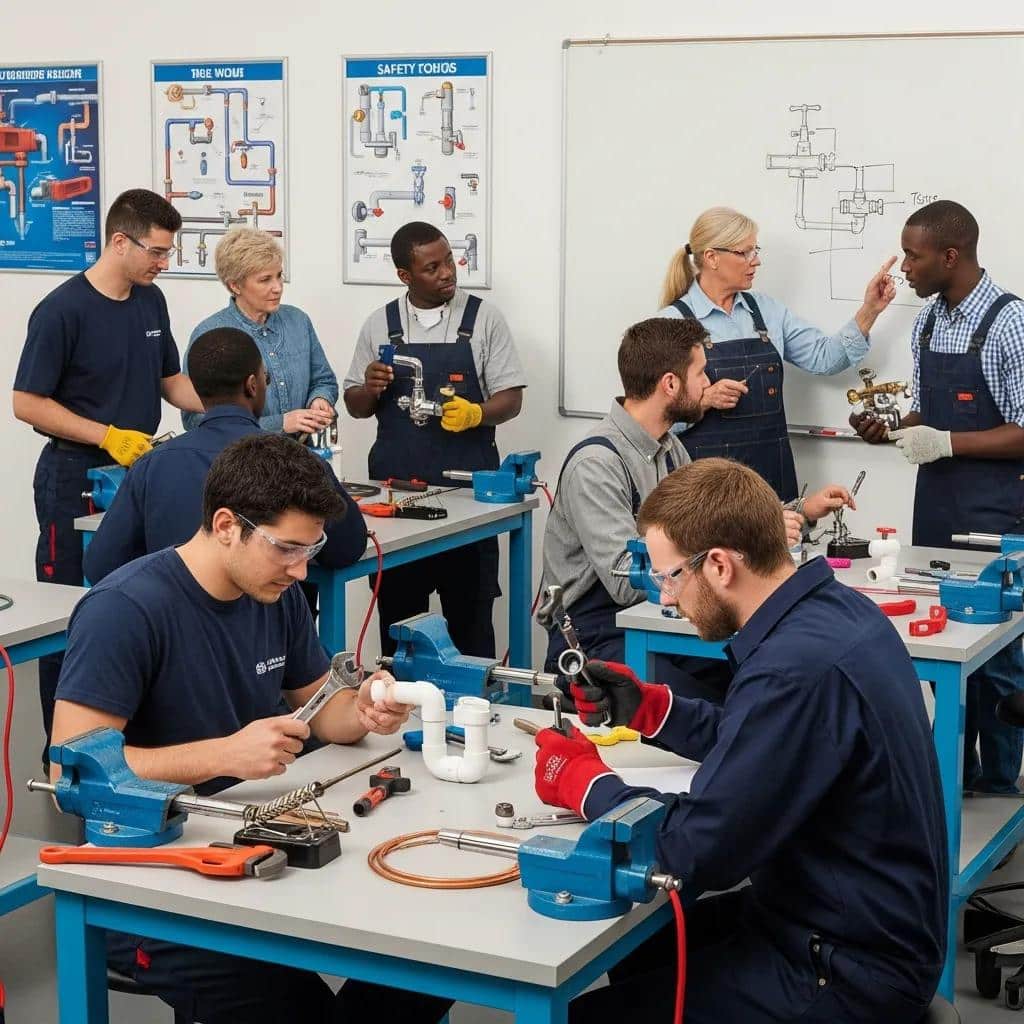
Starting a plumbing apprenticeship is a practical way to gain hands-on experience while earning a qualification. Apprenticeships combine on-the-job training with classroom learning, providing a comprehensive education in plumbing.
- Research Opportunities: Look for local plumbing companies that offer apprenticeship programs.
- Meet Requirements: Ensure you meet the age and educational requirements, typically including a minimum of GCSEs in English and Maths.
- Apply: Submit applications to multiple companies to increase your chances of securing a position.
What Are the Requirements for Plumbing Apprenticeships?
To qualify for a plumbing apprenticeship, candidates must meet specific requirements, including:
- Age: Generally, applicants should be at least 16 years old.
- Educational Background: A minimum of GCSEs in relevant subjects, such as Maths and English, is often required.
- Documentation: Applicants may need to provide identification and proof of qualifications.
These requirements ensure that apprentices have a foundational understanding of the subjects necessary for success in plumbing.
Where to Find Accredited Plumbing Training Providers UK?
Finding accredited plumbing training providers is crucial for ensuring that your education meets industry standards. Here are some resources to help you locate reputable training centers:
- National Careers Service: Offers guidance on accredited training providers in your area.
- Local Colleges: Many colleges offer plumbing courses and apprenticeships.
- Online Directories: Websites that list accredited training providers can be useful for finding options near you.
Researching and selecting the right training provider will significantly impact your learning experience and career prospects.
Which Certification Bodies Award Plumbing Qualifications in the UK?
Several certification bodies are responsible for awarding plumbing qualifications in the UK. These organizations ensure that training programs meet industry standards and that qualifications are recognized by employers.
- City and Guilds: One of the most recognized bodies, offering a range of plumbing qualifications.
- BPEC: Provides training and certification for various plumbing and heating qualifications.
- SQA: The Scottish Qualifications Authority offers plumbing qualifications specific to Scotland.
What Role Does City and Guilds Play in Plumbing Certification?
City and Guilds plays a significant role in the plumbing industry by providing recognized qualifications that enhance employability. Their qualifications cover various aspects of plumbing, from basic skills to advanced techniques, ensuring that learners receive a comprehensive education. Many employers specifically look for City and Guilds certifications when hiring plumbers, making it a valuable asset in the job market.
How to Maintain Your Plumbing Certification and Compliance?
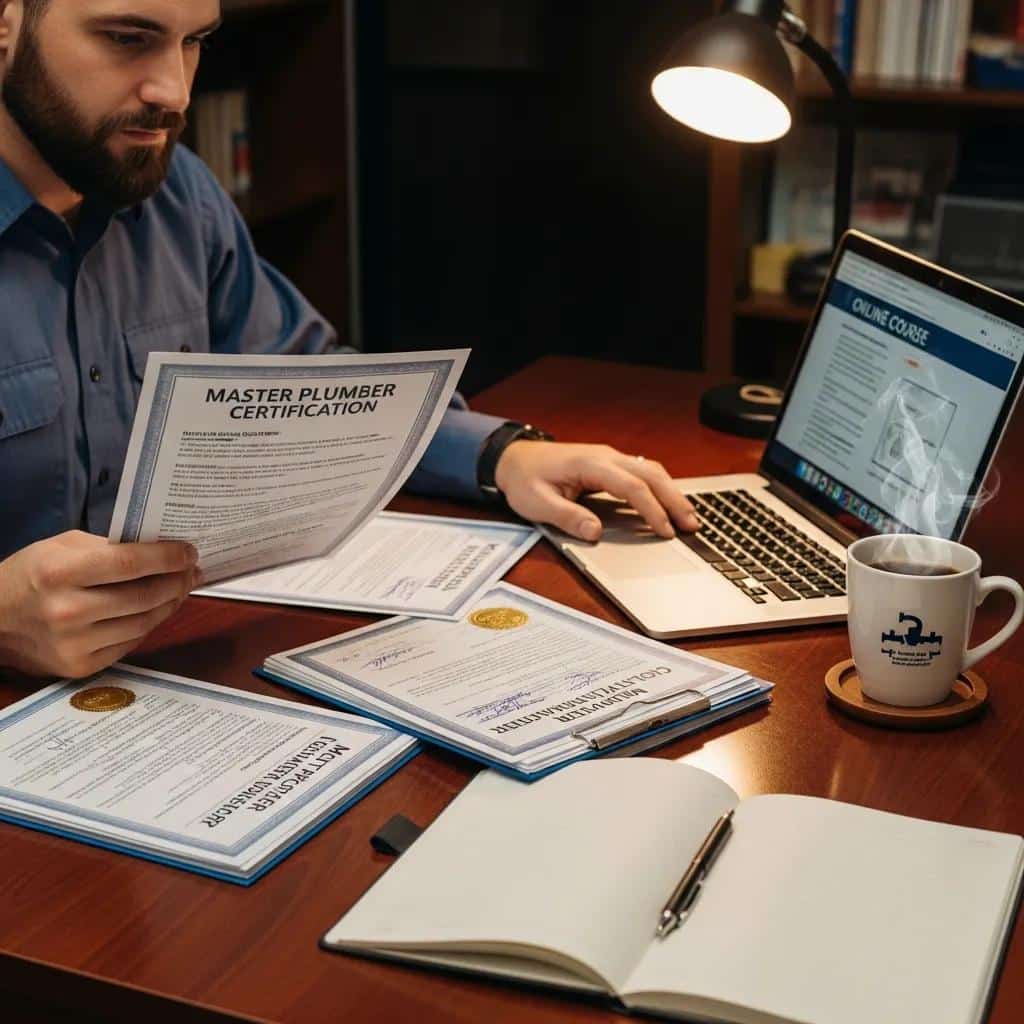
Maintaining your plumbing certification is essential for ensuring compliance with industry standards. Here are some best practices:
- Renewal Processes: Stay informed about the renewal requirements for your certification, which may involve continuing education or re-assessment in certain cases.
- Continuing Education: Engage in ongoing training to keep your skills up to date with the latest industry practices and technologies.
- Compliance Tracking: Use tools to track your certification status and renewal dates to avoid lapses in compliance.
Regularly updating your skills and knowledge will help you remain competitive in the plumbing industry.
How Does Trade-Linked Software Support Plumbing Qualification Management?
Trade-Linked offers software solutions designed to enhance operational efficiency for tradespeople, including plumbers. This software can assist in managing plumbing qualifications effectively.
What Features Help Manage Plumbing Certifications Digitally?
Trade-Linked software includes several features that streamline the management of plumbing certifications:
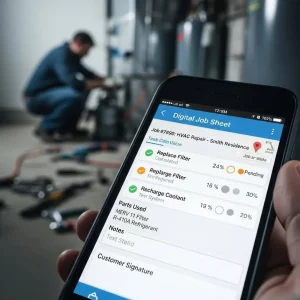
- Digital Record-Keeping: Store all certification documents in one secure location for easy access.
- Automated Reminders: Receive notifications for upcoming renewal dates and compliance requirements.
- User-Friendly Interface: Navigate the software easily, making it accessible for all users.
These features help plumbers maintain their qualifications and ensure compliance with industry standards.
How Can Automated Reminders Improve Certification Compliance?
Automated reminders play a crucial role in improving certification compliance by:
- Reducing Oversights: Ensuring that important deadlines are not missed.
- Enhancing Accountability: Keeping individuals informed about their certification status.
- Streamlining Processes: Simplifying the renewal process by providing timely notifications.
By utilizing automated reminders, plumbers can focus more on their work while ensuring they remain compliant with certification requirements.