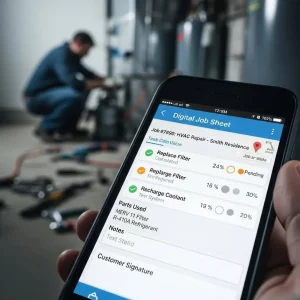
Roofing software brings together the tools contractors need to keep jobs organised, speed up field workflows, and make sales and project outcomes more predictable.
In this guide, we explain the key benefits of using roofing software for contractors, what these platforms do, how they remove repetitive admin, and why that matters: clearer quotes, faster scheduling, and tighter project tracking that save time and protect margins.
Contractors often battle fragmented communications, slow quoting, and lost on-site information; this guide shows how features such as automated scheduling, estimating templates, mobile offline sync, and invoicing integrations address those pain points.
You’ll find focused sections on efficiency gains, estimating and CRM advantages, team collaboration, and the financial and customer-satisfaction improvements to expect, plus practical lists, comparison tables, and step-by-step examples you can apply straight away.
Improving Contractor Efficiency with Roofing Software

Choosing the right roofing softwaredrives efficiency by keeping job information in one place, automating scheduling, and letting crews capture data on mobile devices so they spend less time on paperwork and more time on roofs.
A single source of truth cuts duplicate data entry, automation removes manual reminders, and offline-capable apps protect site records when the signal drops. The result is shorter job cycles, fewer missed appointments, and cleaner handovers between office and crew. Here are three core efficiency wins to remember.
- Centralised job records cut duplicate entry and ensure everyone sees the same job details.
- Automated scheduling and dispatch reduce coordinator hours and lower the risk of double-booking.
- Mobile apps with offline sync preserve site surveys and photos even where connectivity is unreliable.
Those efficiency gains map directly to the everyday operational headaches contractors face, which is why these features matter on-site.
Operational Challenges for Roofing Contractors
Contractors regularly run into scheduling clashes, communication breakdowns, slow estimating, and lost site data, problems that eat margins and harm customer experience.
Manual calendars or spreadsheets miss last-minute changes, while conversations spread across phone calls, messaging apps, and paper notes create version-control headaches.
Slow or inconsistent quotes drag out the sales cycle and invite errors, and poor site data capture increases rework. Laying out these challenges clarifies which software features remove specific friction.
- Scheduling conflicts and double-booking increase travel costs and downtime.
- Fragmented communications scatter client decisions across tools.
- Time-consuming paperwork and manual quoting create transcription errors.
Solving these issues with automation and mobile workflows lays the groundwork for time-saving scheduling and job management.
Automated Scheduling and Job Management for Time Savings

Automated scheduling and job management reduce admin by using templates, rules, and notifications to move work from lead to field with minimal manual input, boosting crew utilisation and punctuality.
In a typical workflow, the system creates a job from an accepted estimate, auto-assigns the nearest available crew, and uses accounting integrations with Xero and Sage to streamline bookkeeping and reconciliation, removing repetitive tasks.
Pre-built templates for common roofing services pre-fill scope and material, so quotes and invoices are quicker and more consistent. Streamlined assignment and clearer communication mean crews spend more time working and less time waiting for instructions.
- Assign jobs to the right crews using shared calendars and scheduling tools.
- Automated reminders and status updates reduce missed appointments and no-shows.
- Job templates speed job setup and standardise scope, improving billing accuracy.
With those operational improvements in place, contractors see direct commercial gains when estimating and CRM work well together.
Advantages of Estimating and CRM Software for Roofers
Estimating and CRM tools shorten the sales cycle, improve win rates, and maintain customer records that drive repeat business and referrals. Estimating tools cut the risk of underquoting by using measurements, templates, and margin controls, while CRM features track leads, nurture prospects, and automate follow-ups so fewer opportunities slip away.
Together, they deliver faster quotes, stronger client presentations, and more predictable revenue. The table below contrasts core estimating functions with CRM benefits to show how they complement each other.
| Capability | Feature | Primary Benefit |
|---|---|---|
| Estimating | Template-driven quotes and measurement inputs | Faster, more accurate proposals |
| CRM | Lead tracking and automated follow-ups | Higher conversion and fewer lost leads |
| Proposal presentation | Branded PDFs with photos | Greater client confidence and clearer scopes |
This comparison shows how estimating speeds up quote production while CRM maintains sales momentum, together helping turn leads into signed contracts.
Winning More Jobs with Accurate Roofing Estimating Software
Accurate estimating wins jobs by combining precise measurements, repeatable templates, and margin controls so proposals are quick, clear, and commercially sound. Automatically including materials, labor rates, and contingency protects margins, while aerial or site measurements reduce surprises on site.
Delivering a branded, itemised estimate within hours of a visit shortens the buyer’s decision window and lifts acceptance rates. Faster, consistent proposals also cut disputes and speed up payment when the work is finished.
- Precise measurements reduce on-site rework and unexpected costs.
- Rapid quote generation shortens the sales cycle and improves close rates.
- Consistent margin controls protect profitability across jobs.
Those estimating and CRM benefits depend on accurate customer tracking; the next section explains why CRM matters.
Essential CRM for Managing Roofing Customer Relationships
CRM is essential because it stores contact history, schedules follow-ups, and segments prospects so roofers can focus on high-value leads and keep service customers satisfied.
Automated follow-up sequences stop quotes from going cold, while customer records keep past jobs, warranties, and communication notes handy for renewals and referrals. Segmentation lets teams send targeted offers to previous buyers, boosting repeat work. A disciplined CRM process turns ad hoc enquiries into a visible, manageable pipeline.
- Tracks leads and full communication history for clarity.
- Uses automated follow-ups to prevent lost leads and re-engage prospects.
- Enables segmentation for targeted offers and better customer retention.
For roofing businesses looking to sharpen their sales funnel, an actively used CRM is central to managing leads and nurturing customers effectively.
With sales and customer workflows covered, the next sections explain how project tracking and team collaboration keep work on schedule and properly documented.
Enhancing Project Management and Team Collaboration with Roofing Software
Roofing software improves project management through shared timelines, shared notes, and photo logs that make handovers and progress tracking precise and auditable. Real-time status updates and timeline views support forecasting and resource allocation, while shared job notes let office staff and crews work from the same evidence.
Mobile capture of photos and site notes links records to jobs, reducing misunderstandings and speeding approvals. Combined with offline capability, these tools keep teams productive even in low-signal areas.
Benefits of Real-Time Project Tracking for Roofing Jobs
Real-time tracking provides visibility into job progress so managers can reallocate resources, spot delays early, and provide accurate client updates. Status updates feed simple timelines or boards that highlight outstanding tasks, expected completion, and dependencies between trades, helping avoid bottlenecks.
Early identification of issues reduces downtime and supports proactive customer communication that builds trust. Predictable timelines also help cash-flow planning by indicating when invoices and payments are likely.
- Better resource allocation and forecasting based on live status.
- Faster identification and resolution of issues before they escalate.
- Clearer client updates and transparency that reduce disputes.
Offline Data Collection for Roofing Site Surveys
Offline data collection keeps forms, photos, and measurements stored on the device until a connection is available to sync, preserving work completed in the field. This removes the need for handwritten notes and later transcription, cutting errors and admin lag.
When a device reconnects, data syncs to the job record so proposals or reports can be generated from accurate on-site evidence. Capturing signed approvals and images on-site accelerates client acceptance and billing.
- Allows immediate data capture without waiting for a signal.
- Reduces transcription errors and duplicated work between the field and the office.
- Supports professional, branded PDF reports generated from synced site data.
Boosting Financial Management and Customer Satisfaction with Roofing Software

Roofing software supports financial control by automating invoicing, tracking job-level costs, and integrating with accounting systems to speed reconciliation and reduce late payments. Clear job-cost visibility lets contractors compare actuals to estimates and protect margins through smarter purchasing and labour decisions.
Professional, branded reports raise client confidence, reduce scope disputes, and encourage referrals through consistent presentation. The table below compares invoicing, cost tracking, and reporting features and their business impacts.
| Function | Attribute | Value |
|---|---|---|
| Invoicing | Create invoices from job records to speed billing | Saves admin time and reduces billing delays |
| Cost tracking | Job-level expenses versus estimates | Protects margins and flags overspend |
| Reporting | Branded, photo-rich PDFs | Builds client trust and speeds approvals |
That comparison highlights how automation and clear reporting turn operational data into financial control and stronger client relationships.
Simplifying Invoicing and Cost Tracking with Roofing Software
Roofing software streamlines invoicing and cost tracking by generating invoices from job records, sending automated payment reminders, and syncing with accounting systems for reconciliation.
Creating an invoice from a completed job pulls agreed prices, retains attachments, and issues the bill quickly, while reminders reduce outstanding receivables.
Integrations with UK accounting platforms like Xero and Sage reduce duplicate bookkeeping tasks and speed up month-end close. Job-level cost visibility also lets managers compare actuals to estimates and adjust pricing or processes for future bids.
- Create invoices directly from completed jobs to remove manual billing steps.
- Automated payment reminders reduce outstanding receivables.
- Accounting integrations with Xero and Sage streamline bookkeeping and reconciliation.
The rise of AI and advanced analytics is also reshaping commercial roofing, especially around design and bidding workflows.
Improving Customer Trust and Referrals with Professional Reports
Professional reports build trust by clearly setting out scope, photographic evidence, and branded documentation that clients can review and approve confidently. Well-structured reports reduce disputes by documenting conditions, recommended works, and agreed specifications, leading to smoother approvals and faster payment.
Consistent presentation makes small teams look polished and encourages customers to share attractive reports with neighbours. Digitally signed PDFs and delivery records further speed client acceptance and show a transparent process.
- Branded, consistent reports position small teams professionally.
- Clear scope and visuals reduce disputes and increase referrals.
- Digital signatures and PDF delivery speed client approvals.
For contractors ready to try these benefits, a practical option is to use an all-in-one platform that bundles job management, estimating, and mobile site-survey workflows.
Trade-Linked, a lead-generation and information hub that also offers an integrated job and project management platform, follows this approach with roofing-specific features like smart forms, report builder, and automated workflows that integrate with accounting tools such as Xero and Sage.
If you want to see how a platform could automate scheduling and quoting in your business, consider joining a waitlist or watching a demo to check the fit for your workflow.
Frequently Asked Questions
Key Features in Roofing Software
Choose features that cut admin and improve communication. Key capabilities include automated scheduling, mobile data capture, and integrated estimating.
Look for real-time project tracking, CRM tools to manage customers, and invoicing automation. Offline access for field teams and strong reporting to analyse job performance and finances are essential. A clear interface and reliable support make implementation smoother.
Roofing Software and Customer Retention
Roofing software strengthens retention by making communication consistent and follow-ups reliable. CRM features let you track interactions, schedule reminders, and segment customers for targeted messaging.
Automated follow-up sequences keep prospects engaged, while accurate job histories and warranty records make responses quicker. Consistent, personalised service builds trust, leading to repeat work and referrals.
Roofing Software for Small Contractors
Yes. Many solutions scale to small teams and can significantly reduce admin and improve competitiveness. Automation for scheduling, estimating, and invoicing saves time and cuts errors. User-friendly interfaces and tiered pricing make these tools accessible, helping small contractors deliver better service and grow their business.
Cost Implications of Roofing Software
Costs vary by feature set and scale, with many providers offering subscription pricing and tiered plans to fit different budgets. There may be an initial investment, but time saved, fewer errors, and improved cash flow usually outweigh ongoing costs. Consider the plan that matches your needs and growth path to make the investment pay off.
Roofing Software for Improved Team Collaboration
Roofing software centralises project information and enables real-time updates. Shared job notes, timelines, and photo logs ensure office staff and field crews work from the same facts.
Mobile apps let teams update statuses and share findings instantly, even with a limited signal. That transparency aligns everyone around project goals and keeps workflows moving smoothly.
Ready to See Roofing Software in Action?
If you’re tired of juggling spreadsheets, WhatsApp chats, and paper notes, it’s time to see what an integrated platform can actually do for your margins. Trade-Linked brings together lead generation, roofing-specific job management, smart forms, report builder, and accounting integrations with tools like Xero and Sage in our roofing software.
Want to test how this could work in your business? Join the waitlist or request a demo today and see how much admin you can cut before your next project goes live.