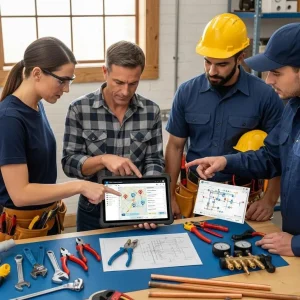
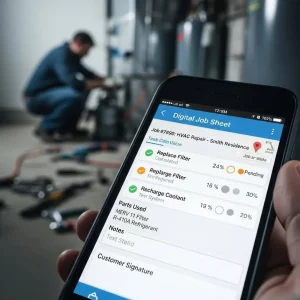
In the construction industry, understanding the distinctions between contractors and subcontractors is crucial for effective project management and successful outcomes. Contractors are typically responsible for overseeing entire projects, while subcontractors specialize in specific tasks within those projects. This article will clarify the roles, responsibilities, and legal differences between these two essential players in construction. By the end, you will have a comprehensive understanding of how these roles interact and the implications for project delivery. We will also explore how software solutions can enhance contractor and subcontractor management, along with current industry trends affecting these relationships.
What Are the Core Responsibilities of a General Contractor?
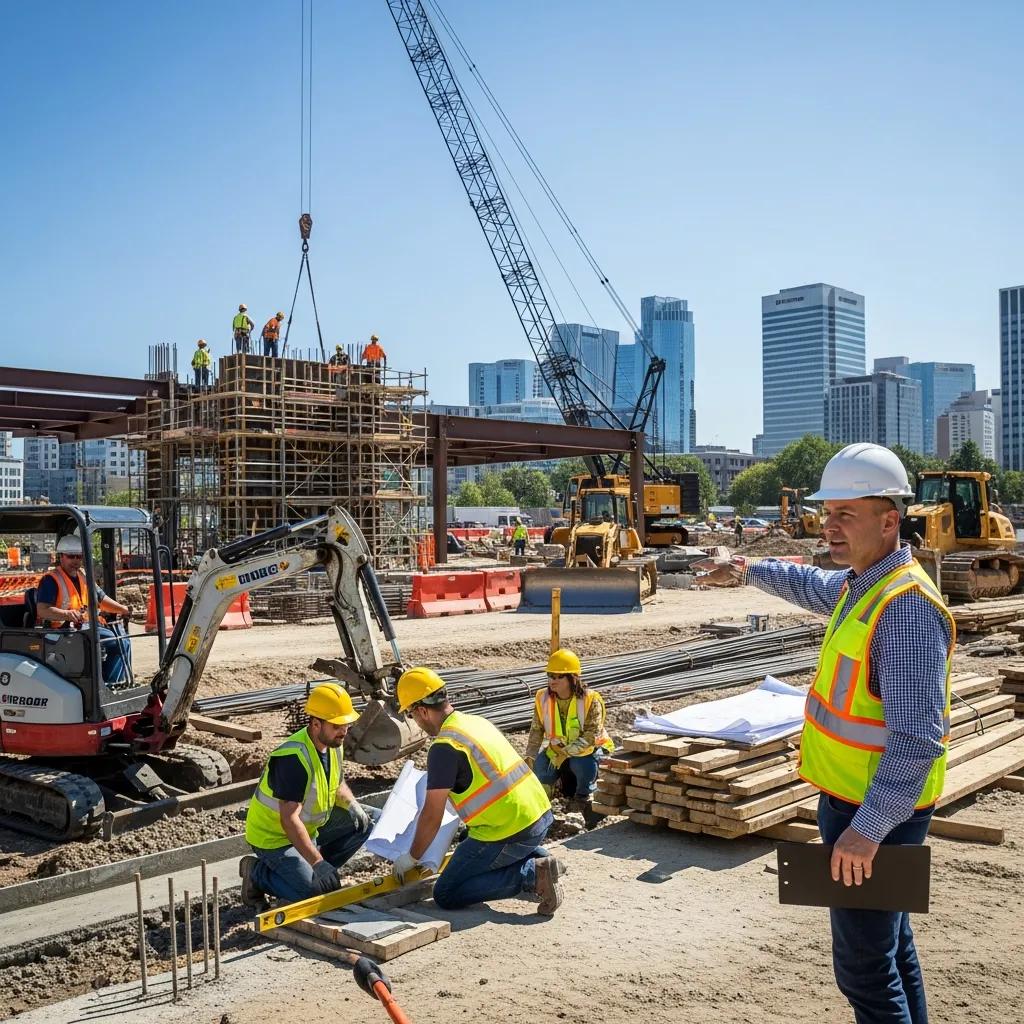
General contractors play a pivotal role in construction projects, acting as the primary point of contact for clients and managing various aspects of project execution. Their core responsibilities include project management, resource coordination, and client liaison. They ensure that projects are completed on time, within budget, and to the required quality standards.
How Does a General Contractor Manage Construction Projects?

A general contractor manages construction projects through centralized accountability and effective communication. They coordinate with various stakeholders, including clients, subcontractors, and suppliers, to ensure that all aspects of the project align with the established timeline and budget. By implementing project management techniques such as Gantt charts and regular progress meetings, they can track milestones and address any issues that arise promptly.
What Are the Legal and Operational Duties of a General Contractor?
The legal and operational duties of a general contractor encompass a range of responsibilities, including client liaison and budget management. They must ensure compliance with local building codes and regulations, which involves obtaining necessary permits and inspections. Additionally, they are responsible for managing contracts with subcontractors and suppliers, ensuring that all parties fulfill their obligations to avoid legal disputes. Indeed, ensuring compliance with subcontracting requirements, particularly in federal projects, often involves rigorous oversight from various agencies.
Subcontracting Plan Oversight & Contractor Compliance
Certain federal contracts must have a small business subcontracting plan if subcontracting opportunities exist. But recent Department of Defense Inspector General reports raised concerns about agency oversight of subcontracting requirements. GAO was asked to review oversight of subcontracting plans. Among its objectives, this report discusses (1) the extent to which selected agencies (DLA, GSA, NASA, and Navy) oversee small business subcontracting plans, and (2) how SBA encourages agency compliance with subcontracting plan requirements.
SMALL BUSINESS SUBCONTRACTING: Oversight of Contractor Compliance with Subcontracting Plans Needs Improvement, 2020
What Roles and Duties Define a Subcontractor?
Subcontractors are specialized professionals hired by general contractors to perform specific tasks within a construction project. Their roles and duties are defined by the scope of work outlined in their contracts, which often include specialized skills such as electrical work, plumbing, or carpentry. Subcontractors enhance project efficiency by focusing on their areas of expertise.
How Do Subcontractors Fit into Construction Project Workflows?
Subcontractors fit into construction project workflows by taking on specific tasks that contribute to the overall project completion. For instance, while a general contractor manages the project, subcontractors execute specialized work, allowing for faster project phases and reducing the administrative burden on the general contractor. This collaboration is essential for maintaining project timelines and quality standards.
What Compliance and Insurance Requirements Must Subcontractors Meet?
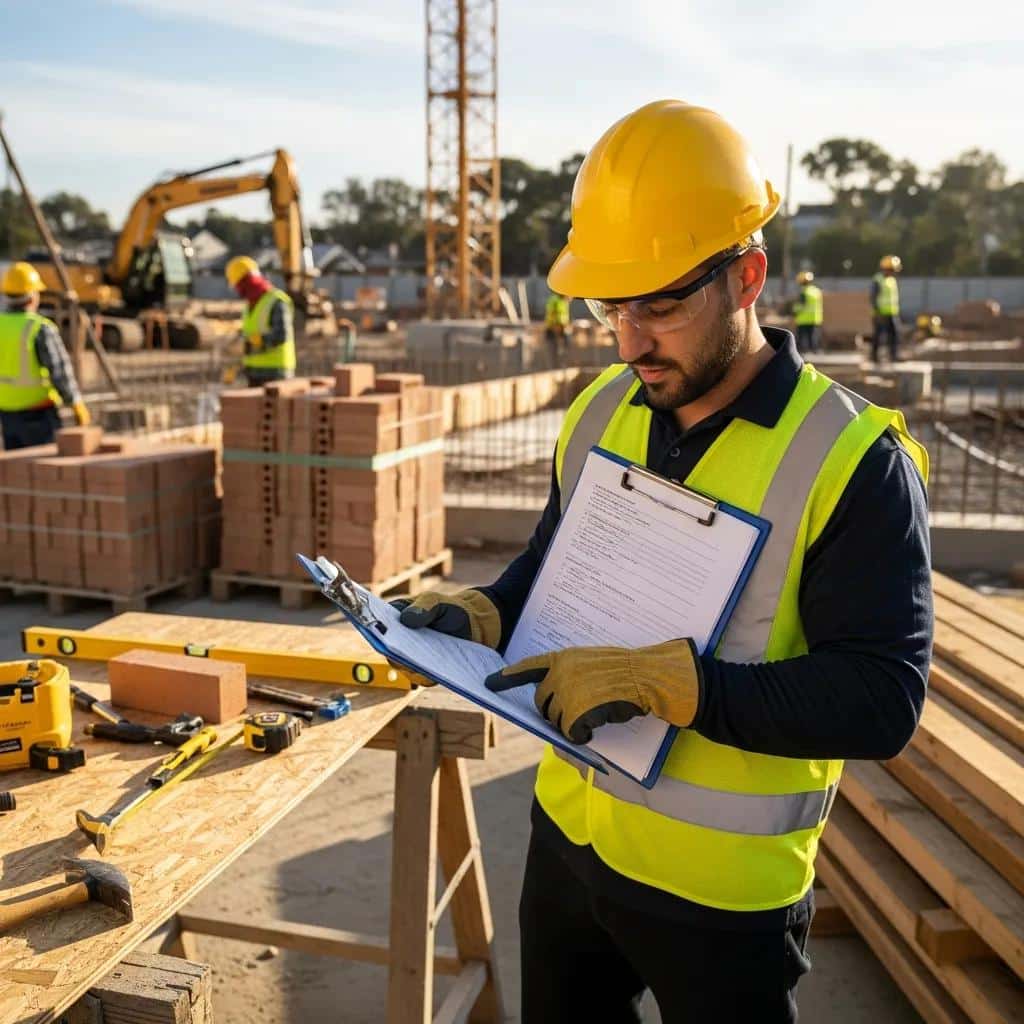
Subcontractors must meet various compliance and insurance requirements to operate legally and protect themselves and their clients. Common requirements include public liability insurance, workers’ compensation insurance, and health and safety compliance. These measures ensure that subcontractors adhere to industry standards and regulations, minimizing risks associated with construction activities.
How Do Contractor and Subcontractor Relationships Work?
The relationship between contractors and subcontractors is built on clear communication and mutual understanding of roles and responsibilities. Effective collaboration is essential for project success, as it helps to mitigate challenges and streamline workflows.
What Are the Key Elements of a Contractor-Subcontractor Agreement?
A contractor-subcontractor agreement typically includes several key elements, such as task descriptions, payment schedules, and timelines. These agreements outline the expectations and responsibilities of each party, ensuring that both contractors and subcontractors are aligned on project goals and deliverables.
Who Is Responsible for Subcontractor Payments and Liability?
In most cases, the general contractor is responsible for subcontractor payments, as they are the primary point of contact for the client. However, liability management can be complex, as subcontractors may also bear responsibility for their work. Clear agreements and communication are vital to delineate these responsibilities and avoid disputes.
What Are the Legal Differences Between Contractors and Subcontractors?
Understanding the legal differences between contractors and subcontractors is essential for navigating the construction landscape. These distinctions impact their roles, responsibilities, and legal obligations.
How Do Contract Types Affect Contractor and Subcontractor Responsibilities?
Different contract types can significantly affect the responsibilities of contractors and subcontractors. For example, fixed-price contracts may impose stricter budget constraints on contractors, while time-and-materials contracts may offer more flexibility. Understanding these nuances helps both parties manage expectations and deliver successful projects.
What Legal Protections and Liabilities Apply to Each Role?
Legal protections and liabilities vary between contractors and subcontractors. Contractors typically have broader legal obligations, including ensuring compliance with building codes and safety regulations. Subcontractors, on the other hand, may have specific liabilities related to their specialized work. Both parties must understand their legal rights and responsibilities to mitigate risks.
How Can Software Solutions Improve Contractor and Subcontractor Management?
Software solutions can significantly enhance contractor and subcontractor management by providing centralized information and automated scheduling. These tools streamline communication and compliance tracking, making it easier for all parties to stay informed and aligned throughout the project lifecycle.
What Features Does Construction Contract Management Software Offer?
Construction contract management software offers several key features, including project management tools, mobile accessibility, and document storage. These features enable contractors and subcontractors to collaborate effectively, ensuring that all project-related information is easily accessible and up-to-date.
How Does Trade-Linked Software Streamline Compliance and Communication?
Trade-Linked software enhances compliance and communication by providing centralized documentation and automated reminders. This platform is designed to streamline contractor and subcontractor management within the construction industry, ensuring that all parties adhere to regulatory requirements and maintain clear lines of communication throughout the project.
What Are Current Industry Trends and Case Studies on Contractor-Subcontractor Dynamics?
Current industry trends indicate a growing reliance on subcontractors to address labor shortages and rising material costs. Understanding these dynamics is crucial for contractors and subcontractors alike, as they navigate an increasingly complex construction landscape.
What Do Recent Statistics Reveal About Subcontractor Market Growth?
Recent statistics reveal that the subcontractor market is experiencing significant growth, driven by increased demand for specialized skills and services in various construction sectors. This trend highlights the importance of effective contractor-subcontractor relationships in meeting project demands and ensuring successful outcomes.
How Have Software Tools Impacted Operational Efficiency in Construction?
Software tools have had a profound impact on operational efficiency in construction, enabling better project tracking and resource allocation. By leveraging technology, contractors and subcontractors can optimize their workflows, reduce delays, and enhance overall project performance.